A customer scans the label inside a jacket. They can read about its materials and where it was made. But if they want to sell it, what happens next? For brands building a resale community, that is a useful question to ask when planning a Digital Product Passport.
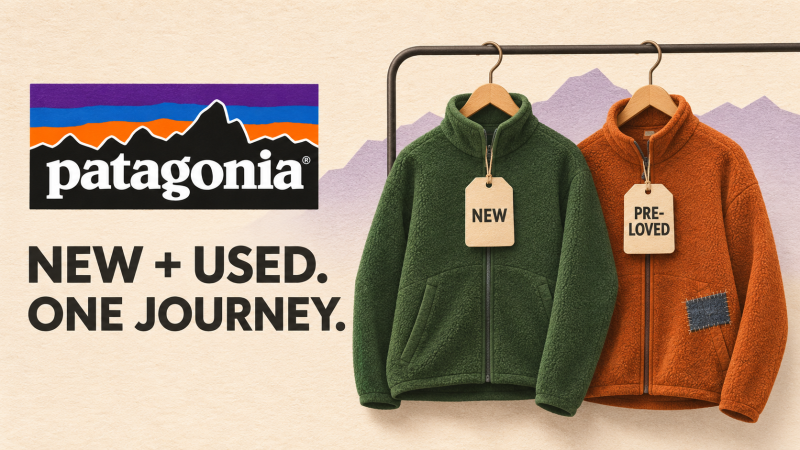
Patagonia has brought used clothing into its main online store. For brands building a resale community, it raises a practical question: can your customers easily find pre-loved products and understand how buying and selling work?
New industry survey data shows 58% of retailers see resale as a strategic necessity. Only 16% say they could scale it right now. That gap, not market size, is the real branded resale story this year.
Starting July 19, 2026, large companies operating in the EU will no longer be allowed to destroy unsold clothing, accessories, or footwear. The regulation explicitly states the order of operations: sell it, donate it, or repair and refurbish it. Destruction is a last resort, not the default option. However, most brands don't yet have the infrastructure to do anything else.
State of Fashion 2026 forecasts secondhand fashion to grow two to three times faster than first-hand fashion through 2027. Marketplaces made resale mainstream. Now brands need their own strategy for it.
Launch resale without building from scratch. Fashion and lifestyle brands can use branded resale infrastructure to launch faster, reduce complexity, and keep the customer experience under their own brand.
A branded resale platform gives customers a place to buy and sell pre-owned products under your brand. Here’s how it works, how it differs from an external marketplace and what your team needs to consider.

 Policy & circularity